
What does it actually mean when a peptide is sold as '99% pure'?
Updated: 2026-09-09 · Buying, quality and COA
Short answer
That figure normally comes from an HPLC analysis and describes what share of the detected material sits under the main peak. It does not tell you how much product is in the vial, whether the sequence is correct, or whether it is sterile or endotoxin-free. High purity and a suitable product are two different claims.
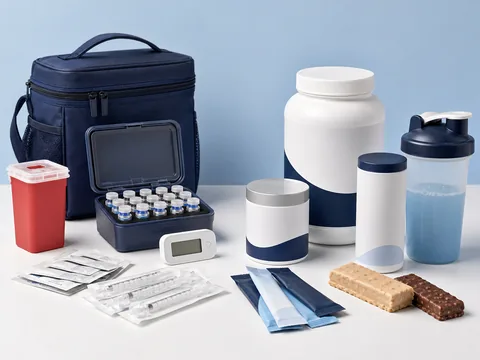
In plain English
- HPLC separates components: '99%' is the main peak's area against everything detected.
- The identity of that peak is confirmed by mass spectrometry, not by purity.
- Actual content — how many mg are present — is a separate assay.
- Sterility and endotoxin levels do not appear in a purity test at all.
What we know
- HPLC and mass spectrometry are standard techniques answering different questions: how much, and what.
- A COA only demonstrates what it actually tested, on the sample it was sent.
What we don't know yet
- Without batch traceability you cannot know whether the certificate matches your vial.
- Purity says nothing about stability or how the product was shipped.